Realistic collapse novels: 5 well-researched survival books, and what they teach
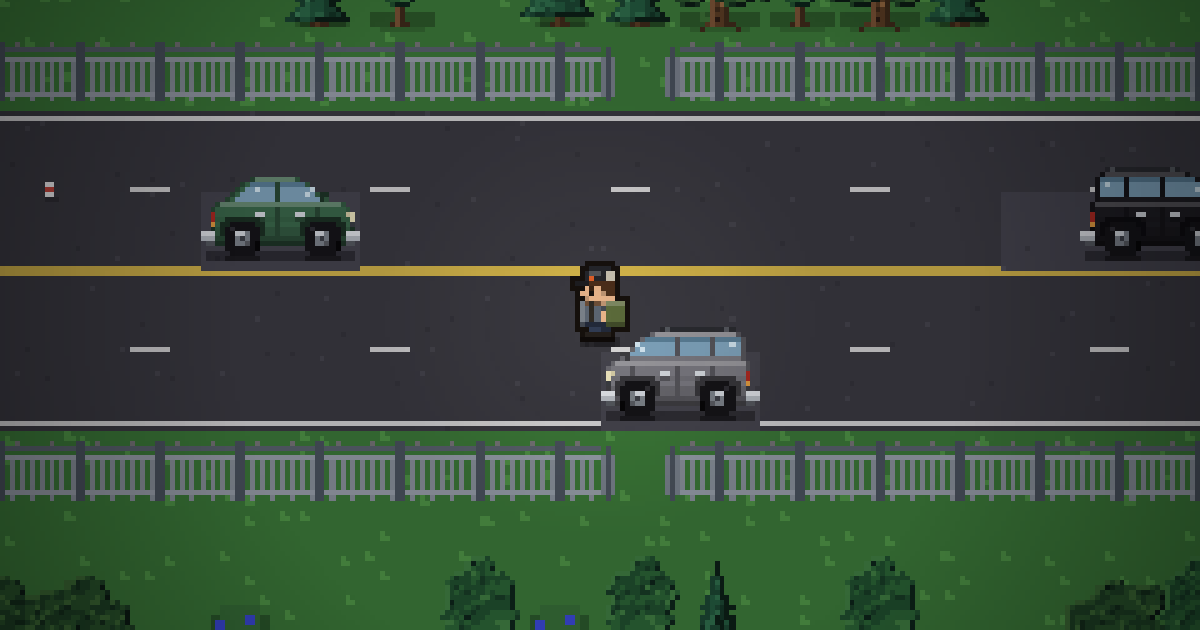
Most apocalypse fiction is about zombies, superhumans or the end of the world as spectacle. These five are different: the disaster is plausible, the authors did their homework, and the problems the characters face are the ones real people would face.
Nobody should learn preparedness from a novel alone. But a good one does something a checklist can’t: it makes you feel the third day without power, the walk you didn’t plan for, the medicine that runs out. We picked these books because their premises hold up when you check them against real research, and because each one teaches at least one lesson worth keeping. For every book we say what it gets right, where it reaches for drama, and what to take away.
The book links go to Amazon. As an Amazon Associate, Finton earns from qualifying purchases, at no extra cost to you. Our picks are our own.
1. One Second After, by William R. Forstchen (2009)
John Matherson, a history professor and retired Army colonel in Black Mountain, North Carolina, watches the power, phones and most modern electronics die in an instant. A single nuclear weapon detonated high above the United States has knocked out the electrical grid across the country. The book follows the town through the year that follows: food rationing, a nursing home with no working generator, the defense of the town against an armed gang, and Matherson’s twelve-year-old daughter, a Type 1 diabetic who needs refrigerated insulin.
What it gets right. The premise comes from real government work. Most people imagine a nuclear weapon as a ground or low-altitude blast like 1945. A burst high in the atmosphere does no blast or heat damage on the ground, but it can produce an electromagnetic pulse over a very wide area. Congress created a commission to study exactly this threat, and the novel’s afterword draws on its reports.
The book’s point about the grid is sound too. The U.S. Department of Energy reported that in 2010, U.S. factories met only about 15% of the country’s demand for large power transformers; the rest were imported. These units weigh 100 to 400 tons, need special transport, and can take more than 20 months to procure. A grid that loses many of them at once does not come back in weeks.
And the insulin storyline is medically accurate. Unopened insulin is kept refrigerated; once opened, it keeps at room temperature for at most 28 days, and heat ruins it faster. In a long outage, that is a hard clock.
Where it reaches for drama. The opening image of a highway full of dead cars goes further than the evidence. In the EMP Commission’s own tests on 37 cars, none were affected while parked, and only 3 running cars stalled. The Commission estimated that about 10% or more of cars on the road could stall at high field levels. Expect traffic chaos and dead electronics, not every engine stopped.
Take away: know which medicines in your house can’t survive without power, and talk to a doctor now about what a longer supply would take. In Finton, the fridge starts spoiling as soon as the grid fails, and medicine is something you have to plan for long before you need it.
2. Alas, Babylon, by Pat Frank (1959)
Randy Bragg gets a telegram from his brother Mark, an Air Force intelligence officer, ending in their private code for disaster: “Alas, Babylon.” Soon after, the nuclear war starts. Randy’s small town of Fort Repose, Florida, survives the blasts but is cut off from everything: power, broadcasts, banks and outside help.
What it gets right. Written in 1959, it still reads like a field report on what fails first. The power goes out soon after the attacks, and with it the radio, the television and every refrigerator, so the food spoils. A run on the banks makes cash worthless and barter takes over. Looters strip the pharmacy and come after the doctor’s drugs. A diabetic neighbor dies early. And one of the town’s most desperate searches is for something nobody thinks to store: salt. Randy pays a fortune for the grocer’s hidden supply.
The town survives by pooling skills: fishing the lakes and rivers, raising chickens, learning which wild plants and mushrooms are safe, and rigging a water system from an old artesian well. Radiation is handled the way it should be: as an invisible danger you plan around. People bring radioactive jewelry home from the ruins of Miami, and Randy has to track it down.
Where it shows its age. The Cold War politics and some of the 1959 social attitudes are dated, and the town is luckier with fallout than most places would be. Read it for the logistics, not the geopolitics.
Take away: store the boring things (salt, matches, basic medicine) and know your neighbors before you need them. In Finton, prices climb, stores go cash-only, and trading with neighbors becomes how you eat.
3. The Borrowed World, by Franklin Horton (2015)
In one night, coordinated terrorist attacks take down the power grid, disrupt communications, destroy bridges and dams and set fuel refineries burning. The government halts public fuel sales. Jim Powell, who has spent years preparing his family at home, is on a business trip with coworkers, about 500 miles from that home and almost none of his preparations.
What it gets right. This is the book that makes the case for a get-home bag better than any article could. Jim’s preparation at home does him no good on the road; what he has with him, and what he knows, is all that counts. The story is a long lesson in what it really takes to cross hundreds of miles of a broken country on foot: routes, food and water, who to trust, and keeping a group of coworkers moving together.
Where it reaches for drama. It’s a thriller, with the action that implies, and the first of a long series. The premise of a single coordinated night of attacks is more cinematic than the slow, cascading failures most real outages produce.
Take away: your preparations only help where they are. Keep a small kit where you spend your days: the car, the office, the backpack. Our 72-hour kit vs. 2-week supply guide covers what goes in it. In Finton, when the gas runs out, every trip across town is a decision about what you can carry and how far you can walk.
4. Earth Abides, by George R. Stewart (1949)
Isherwood “Ish” Williams, a geography graduate student, falls ill with a measles-like disease while alone in the Sierra Nevada. When he walks out, almost everyone is dead. He settles near his home in Berkeley, California, and a small group of survivors forms around him.
What it gets right. This isn’t a prepper novel, and that’s why it belongs here. It asks the question most survival fiction skips: what happens to a community after the first year? The electricity keeps running for a while from an automated hydroelectric plant, then fails. The running water fails too, and the group is saved by children who know where the creeks run. Ish tries to teach reading and arithmetic, but with so few people and so much daily work, the skills fade. Disease returns: a stranger brings illness into the group, and later a typhoid outbreak kills several of them. The book won the first International Fantasy Award in 1951 and is still on lists of the best science fiction ever written.
What to know before you read it. It is slow, thoughtful and covers decades rather than days. If you want a story about bugging out or defending a town, this isn’t it. If you want to understand why infrastructure, sanitation and shared skills matter, it is one of the best books ever written on the subject.
Take away: clean water and sanitation decide whether a community stays healthy, and practical skills disappear if nobody uses them. In Finton, trash that piles up makes the household sick, and creek water is only safe once you treat it.
5. Black Autumn, by Jeff Kirkham and Jason Ross (2018)
After a chain of terrorist attacks and government failures, a Special Forces veteran and his family take a job providing security for a wealthy group of survivors. The book is written by two Green Beret veterans, and it shows in the tactical detail.
What it gets right. It is honest about the hardest part of a group plan: people. The wealthy survivors have money and resources, and they still struggle to adjust when modern life collapses overnight. Money doesn’t make anyone ready.
Where it reaches for drama. It is the most action-heavy book on this list, and the first in a long series. Read it for the group dynamics and the security mindset, not as a picture of what a typical neighborhood would face.
Take away: gear is not a plan. A household that has practiced its plan beats one that has bought everything. Finton gives you the chance to practice the decisions before they are real.
What these books have in common
- The first failure is usually power. Every one of these stories turns on what stops working when the electricity does: refrigeration, water pumps, communication, banking.
- Medicine runs out before food. Insulin and the pharmacy’s shelves are among the first real shortages in both nuclear novels.
- Where you are matters. Supplies at home don’t help on the road, and a long walk is a real possibility.
- Community decides the outcome. Lone heroes don’t survive these books; organized neighbors do.
- The boring supplies matter most. Salt, water treatment, a manual can opener, matches.
The Finton challenge
MAKE THE DECISIONS YOURSELF
These novels let you watch someone else make the decisions. Finton: Surviving the Collapse hands them to you. Choose a scenario (a cyber attack, an attack on the grid, a war or a Great Depression) and see how long your family lasts on what you stored, what you can buy before the shelves empty, and what you can trade with your neighbors.
Sources
- One Second After (overview)
- EMP Commission vehicle test results (summary)
- U.S. DOE, Large Power Transformers and the U.S. Electric Grid (2014 update, summary)
- MedlinePlus: Insulin storage
- Alas, Babylon (study guide)
- The Borrowed World (publisher description)
- Earth Abides (overview)
- Black Autumn (book and authors)